
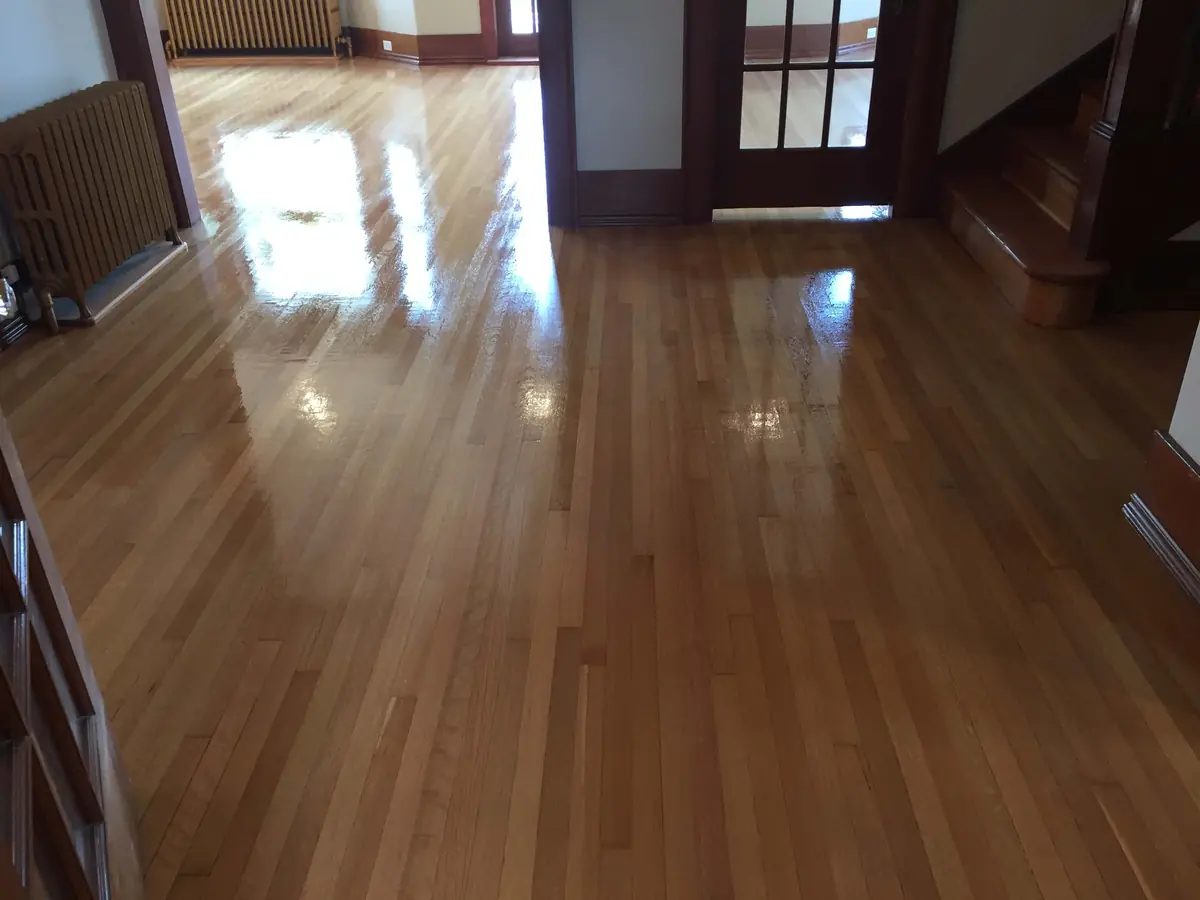
Historical hardwood floors can add character that newer flooring often cannot reproduce. However, decades of wear, previous sanding, and repeated refinishing can leave older boards extremely thin. This raises an important question: can these floors still be sanded and refinished without causing permanent damage?
The answer depends on the floor's remaining thickness, construction, condition, and previous treatments. A professional assessment should come before any sanding begins.
Why Older Floors Require Extra Care
Traditional hardwood floors were often installed with solid wood boards that could withstand years of use. However, each sanding removes a small amount of material from the surface. If a floor has already been refinished several times, there may not be enough usable wood left for another aggressive sanding.
Ultra-thin boards can also have exposed nails, damaged edges, cracks, or uneven areas. Sanding too deeply may expose these problems or weaken the boards further.
This is why professionals do not automatically approach historical floors the same way they would a newer hardwood installation.
How Professionals Assess the Floor
Before starting a refinishing project, a flooring professional examines the thickness and condition of the boards. They may look at exposed areas near vents, thresholds, floor registers, or other locations where the construction can be evaluated.
The goal is to determine how much material remains above the tongue-and-groove joint. This helps establish whether conventional sanding is appropriate or whether a gentler restoration method would be safer.
Professionals also inspect for loose boards, deep scratches, stains, cupping, and previous repairs. These factors can influence the preparation process and the type of finish that should be used.
Can Thin Floors Be Refinished Without Heavy Sanding?
In some cases, yes. If the existing finish is worn but the wood itself is in reasonable condition, the floor may not require aggressive sanding. A lighter preparation process can sometimes remove surface imperfections while preserving more of the original wood. Our comparison of sandless recoating and full refinishing covers when each one makes sense.
The exact method depends on the floor's condition and the finish already present. Professionals may recommend different levels of abrasion, repair, staining, or coating based on what they find during the assessment.
This approach can be particularly valuable for heritage homes where preserving original materials is important.
When Replacement May Be Necessary
Not every historical floor can be safely refinished. Boards that are severely deteriorated, structurally compromised, or too thin for further sanding may require partial replacement instead.
Matching replacement boards can be challenging, particularly when the existing wood has naturally changed colour over many years. A skilled flooring professional can assess whether individual boards can be repaired or matched before recommending replacement.
Why Professional Refinishing Matters
DIY sanding can create problems when an older floor has very little material left to work with. Heavy equipment, incorrect sanding depth, or uneven pressure can remove more wood than intended.
Professional floor refinishing in Vancouver involves evaluating the floor before choosing the appropriate preparation method. Experienced flooring contractors can also use dust-containment equipment and appropriate finishing products to help manage the restoration process. At Seawest Hardwood Floor Refinishing, we refinish and restore hardwood throughout Vancouver and the Lower Mainland, including damaged and aging floors.
For homeowners considering hardwood floor refinishing in Vancouver, an assessment can help determine whether preserving the existing boards is practical. We also offer water-based finishes and custom stain colours for restoration projects.
Give Your Original Hardwood a Careful Second Life!
Our team brings more than 25 years of combined experience to hardwood refinishing and restoration projects. We serve Vancouver and communities across the Lower Mainland, and our sealed dust containment system keeps the sanding dust-free.
Whether your historical floor needs restoration, staining, or careful refinishing, a professional assessment can help identify the right approach for preserving its existing character.